ARANIK
Pistachio and Its Unique Green Color
ARANIK guide to Pistachio and Its Unique Green Color: quality, applications, sourcing and practical considerations for B2B buyers.
This ARANIK guide reframes “Pistachio and Its Unique Green Color” for practical use, with emphasis on product quality, applications, sourcing and the points that matter to importers, food manufacturers and B2B buyers.
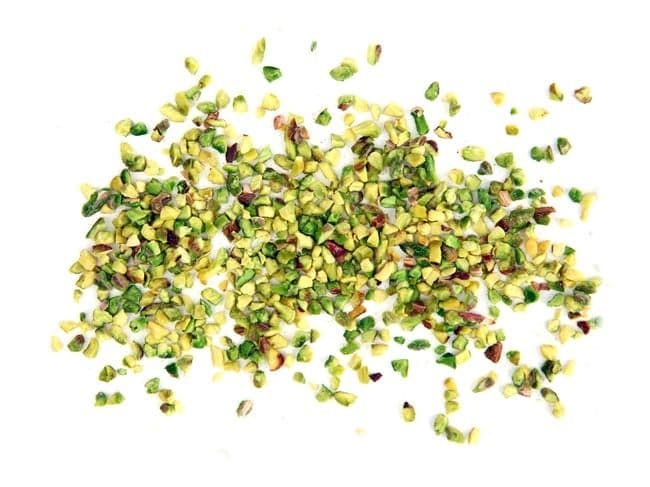
But one color is rare in desserts: green. This color can be easily found in other parts of a meal, but green foods that are compatible with the nature of cakes, pastries, puddings, and… are not many. Fortunately, there is pistachio!
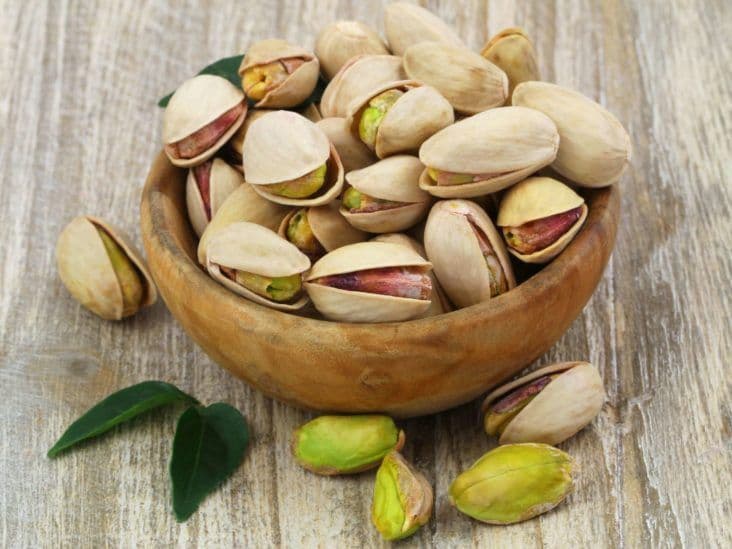
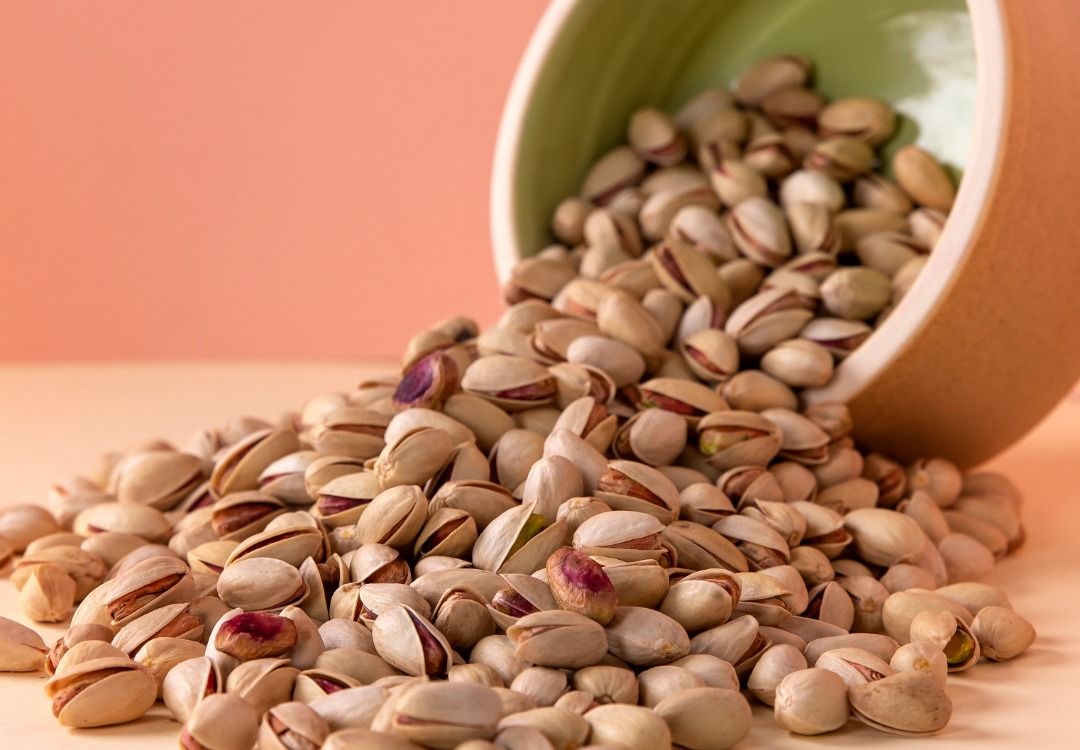
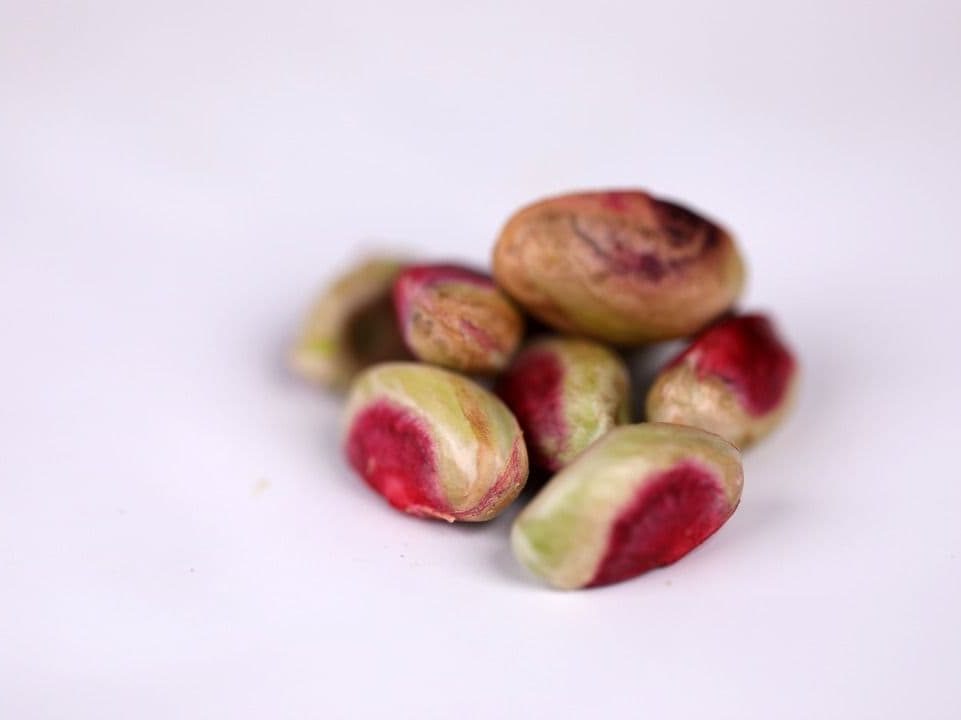
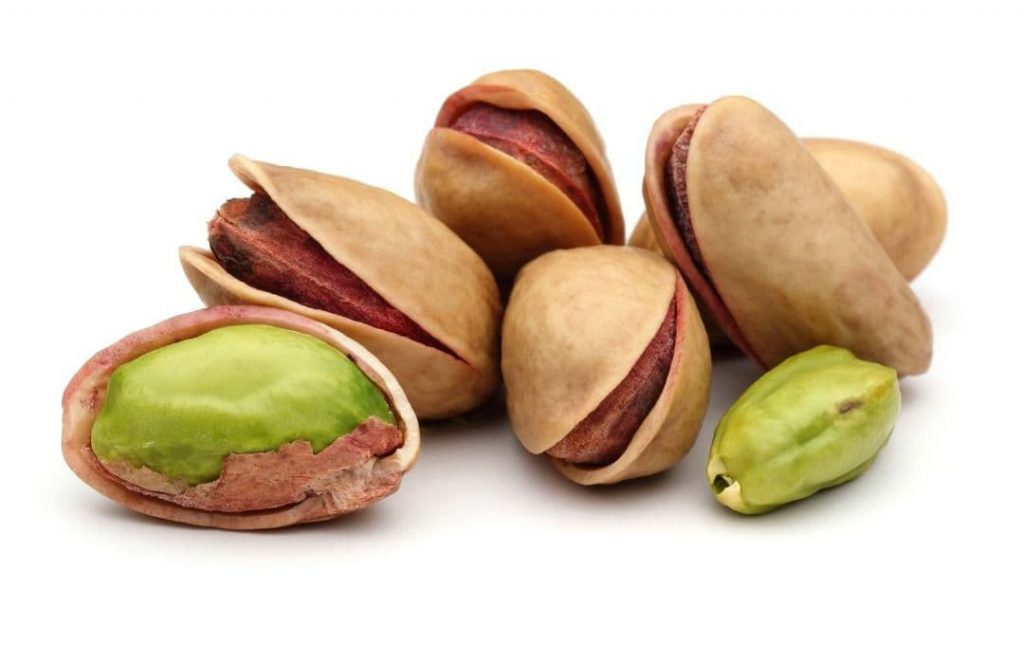
Pistachio kernels themselves have a dull green color that ultimately shows shyly when combined with other colors. But when combined with other necessary ingredients in baking, it gains more splendor. What other food besides pistachio, compatible with ice cream, can give it a striking yet gentle green color?
The pistachio tree is native in ancient times
The pistachio tree is probably native to the land of Persia and its nearby areas, and today, except for America, it is mainly cultivated in this region, in a belt stretching from Afghanistan to the eastern Mediterranean.
It has been a long time since pistachios were consumed – in the archaeological site of Jarmo, located in present-day Kurdistan, Iraq, pistachio kernels have been found, dating back to 6750 BC. However, nature's modesty led to its neglect until around 2000 BC. According to Ray Tanahil, an English historian, in his book "Food in the Course of History," the population increase in 2000 BC was the main reason people in the Middle East began to pay attention to eating marginal foods such as pistachios. Previously, these foods were only eaten during times of famine.
Since then, in its native region, this nut was never neglected again. It was cultivated in the Hanging Gardens of Babylon during the time of King Merodach-Baladan, around 700 years before Christ, and pistachios, along with nuts, are the only nuts mentioned in the Old Testament.
Pistachios were first brought to ancient Rome 50 years after the birth of Christ by Emperor Vitellius. A historian has said: 'Its price was exorbitant, and even Apicius (a collection of Roman recipes) does not mention it.'
The absence of any mention of pistachios in Apicius may cause doubt regarding two of the points mentioned in this text: first, whether the date attributed to the appearance of pistachios in ancient Rome is premature; and second, whether the Apicius collection is a reliable Roman writing. Some experts have doubts about these two points.
On the other hand, it seems that pistachios entered China around the 6th century AD due to the beginning of contact between China and the Middle Eastern lands.
Pistachios and the Middle Ages
The people of the land of Persia used a large amount of ground pistachios and almonds as the base for desserts and sauces. It seems that the Arabs also learned this art from them, and then the people of medieval Europe learned it from the Arabs. During the long period that the Arabs ruled Spain and Sicily, they had many influences on European cooking.
- Read more: The story of pistachio – from the Middle East to America
In the Middle Ages, the demand for almond-based sauces increased, but due to the high price of pistachios, they were used less. However, medieval French merchants sold pistachios to anyone who could afford them. It seems that pistachios were first introduced to England in the sixteenth century and had generally become accessible by the eighteenth century. In a book published in 1796 and written by Elizabeth Raffald, an English author, pistachios were considered as part of a food table for guests.
At that time, eating pistachios along with drinking alcoholic beverages was common. This use of pistachios is still popular today. In the English-French-German encyclopedia "Food and Shopping for Inexperienced Foreigners" published in 1971, salted pistachios and roasted almonds were introduced as an ideal combination to accompany drinking. This link between alcohol and pistachios may be due to the French expression "to eat pistachios," which means to get drunk.
- To buy pistachios, go to the Aranik store.
Pistachios in today's world
The pistachio family, which in addition to pistachios also includes plants such as cashews and mangoes, is generally composed of tropical plants, but pistachio is a plant from temperate regions (usually the warmer parts of them). The areas in the United States where pistachios can be grown are California, Arizona, and New Mexico. Florida is warm enough but too humid. Pistachio cultivation requires dry areas.
- Read more: Pistachio prices, why pistachios are expensive?
Pistachios still have a higher price compared to other common nuts, a situation that has led to increased fraud and substitution. Of course, these actions are not easy, because pistachios have a taste that is almost unique. The closest taste to it, as you might expect, is not from the pistachio genus, but from a different genus. In French, this nut is called 'false pistachio.' This European plant is called bladder nut, and its scientific name is Staphylea pinnata.
It seems that this nut is eaten almost exclusively by German children in Europe. The American species of this plant, Staphylea trifolia, which is known for its sweet oil, is eaten by people of all ages. In French, peanuts are known as 'pistache de terre' (earth pistachio).
What B2B buyers should verify
Before ordering, align on specification, ingredients, packaging, minimum order quantity, shelf life, sample availability and required documentation. ARANIK can clarify these points according to the product and destination market.
Talk to ARANIK
For specifications, packaging options, samples and commercial inquiries, view our green pistachio kernels or contact us. Phone: +971507457971.