ARANIK
Differences Between Iranian Pistachios and American Pistachios
ARANIK guide to Differences Between Iranian Pistachios and American Pistachios: quality, applications, sourcing and practical considerations for B2B buyers.
This ARANIK guide reframes “Differences Between Iranian Pistachios and American Pistachios” for practical use, with emphasis on product quality, applications, sourcing and the points that matter to importers, food manufacturers and B2B buyers.
Historically, pistachios are one of the oldest nuts in the world – people have been eating pistachios for more than 9,000 years. Iranians call pistachios "laughing" and the Chinese call them "happy," both because of their appearance. Iran and the United States are the largest producers of pistachios in the world, but which pistachio is better? In this post, we take a look at the differences between Iranian and American pistachios:
Choosing Pistachios
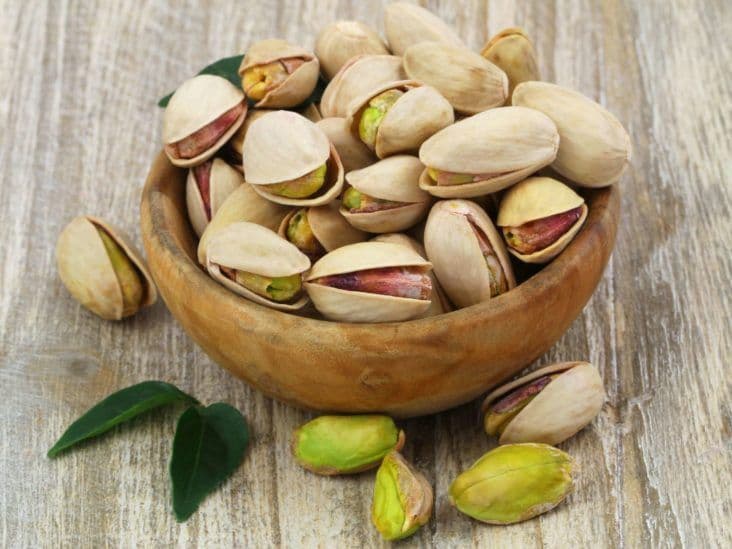
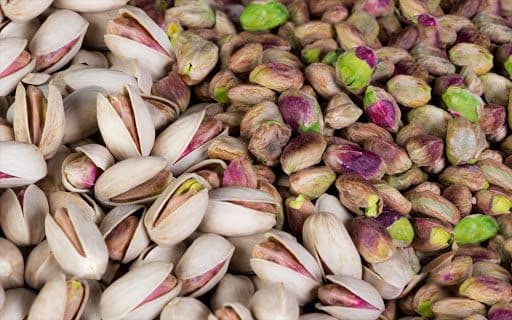
If you are interested in buying pistachios in bulk, look for pistachios with open or partially open shells. This feature indicates the ripeness of the pistachio – a pistachio that does not have an open shell is not only inconvenient but also not fully ripe.
Choosing between buying pistachios with shells or shelled pistachios is up to you. Pistachios with shells stay better and fresher, but obviously to eat or use in cooking, they will need to be shelled.
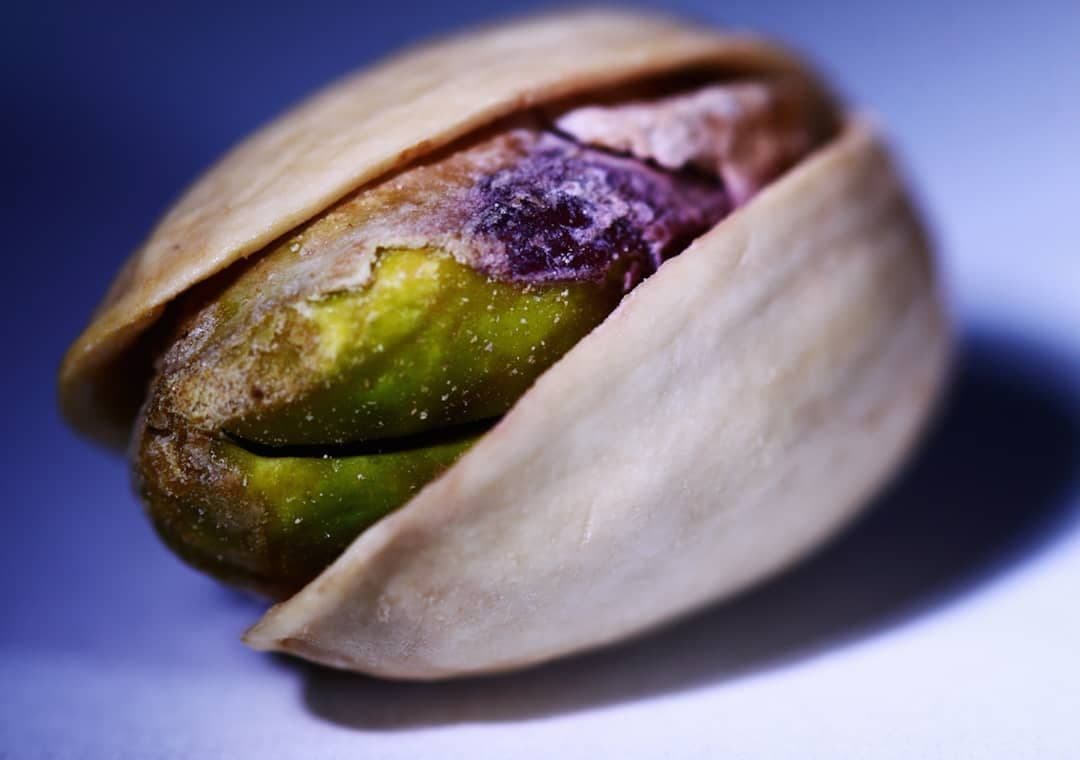
If you intend to buy pistachios with shells, look for pistachios with ivory-colored shells and without stains. The color of the pistachio kernel ranges from yellow to dark green. The greener the pistachio kernel, the better its taste.
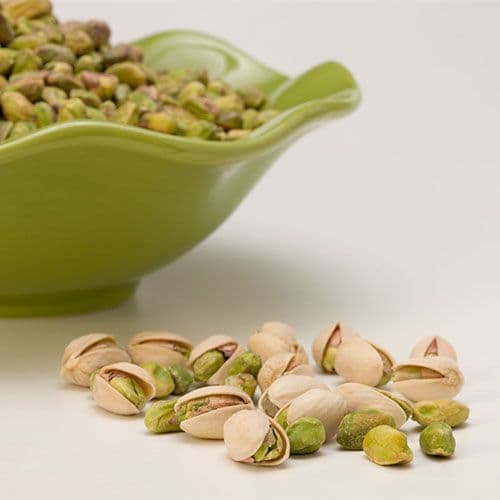
Consider the following criteria when buying pistachios:
Type of pistachio
Types of pistachios are distinguished based on the place of cultivation, color, and size. Each specific location's product has its own options, which differ from each other in terms of size, color, taste, harvest season, and other characteristics.
- Iran: Some of Iran's cultivated varieties, the leading pistachio-producing country, include Fandoghi, Ahmad Aghaei, Ohadi, Badami, Kalleh Ghochi, Akbari, and many others.
- Syria: The most important varieties in Syria are Batouri, Alami, and Lajwardi.
- Turkey: In Turkey, the varieties Ouzun, Halebi, Jalaleh, and Ayimee are popular.
- Greece: In Greece, varieties Larnaca, Aegina, and Pontikis are produced.
The main types of pistachios in the world
- Kerman: The Kerman cultivar produces pistachios that are large in size and of high quality. This cultivar was first selected in Iran and introduced in the United States. It is also cultivated in Spain.
- Peter: Peter is used as a male cultivar for Kerman. Peter has high yield, and these two are synchronized in the flowering season. This cultivar was selected in California.
- Ozone: The pistachios are medium-sized and elongated with a green color; Ozone is one of the common cultivars in Turkey.
- Sepideh-Momtaz and Damghan: The pistachios of this type are round, thick, yellow in color, and of very high quality.
Kernel-to-shell ratio
Pistachios are harvested with their shells and dried according to their weight. If we know the shell-to-kernel ratio of a type of pistachio at the time of purchase, the weight of the pistachio kernel (the edible part of the nut) can be calculated. Knowing this ratio may be a practical criterion for determining pistachio quality. Specifically, pistachios with a higher kernel-to-shell ratio are more economical.
Roastability
Roasting and sautéing adds new complexities to the classic taste of pistachios without taking away their food identity and enhances their aroma by affecting the oils and fats present in them. However, a chemical analysis of raw and roasted pistachios, published in the Journal of Agricultural and Food Chemistry, shows that the amount of fat oxidation in roasted and sautéed pistachios is higher than in raw pistachios. This analysis also reports an increase in trans fats, and if the pistachio itself does not have enough oil, a large amount of its nutrients is lost during the roasting and sautéing process. As a result, the more internal fat the pistachio has If it has more, it will have more nutritional value after sautéing.
Taste
Raw pistachios have a soft texture and a relatively sweet aftertaste, with an edible layer on them that gives this nut an earthy flavor. When pistachios are fresh and green, they are softer and less sweet, and as they ripen more, they become firmer and tastier.
To buy high-quality pistachios, go to the Aranik store page.
Main pistachio-producing countries
Pistachios are produced in many countries, including Iran, the United States, Turkey, Syria, China, Greece, Italy, and Afghanistan. Iran and the USA hold the top two ranks and account for the largest production in the world.
What are the differences between Iranian pistachios and American pistachios?
The English word “Pistachio” is derived from the Persian word ‘Pesteh.’ Pistachio is a part of Iranian culture and has a significant presence in many aspects of Iranian life. In many stories and parts of Persian literature, and in many customs such as Yalda and Nowruz and even wedding celebrations, pistachios have had and will continue to have a prominent presence.
This delicious nut is grown in harsh weather conditions such as the hottest summers and the coldest winters. The temperature of the place where pistachios are cultivated ranges from -15 to 45 degrees, which is why desert areas are suitable for pistachio cultivation.
In the United States, imported pistachios in the 1880s, especially among Middle Eastern immigrants, became very popular. After years of experimentation, the pistachio industry in the U.S. became a reality. American pistachios are very similar to Iranian pistachios, with differences mainly in size, quality, and price.
Variety of types
The variety of pistachio types in Iran is greater than in America. There are many cultivated varieties in Iran: the Fandoghi variety accounts for 40 percent, and the Kaleh Ghoochi, Akbari, and Ahmad Aghaei varieties account for 20, 15, and 12 percent of pistachio orchards, respectively. Each variety has its own unique shape and flavor.
American pistachios are of the Kerman variety, a variety that was taken from Iran and grows better in its climate. All pistachio cultivation in California is based on the Kerman female variety and the Peters male variety.
Iranian pistachios have a higher nut-to-shell ratio, which means that for the same number of pistachios, you will get more edible material. The reason for this phenomenon is that the climate of Iran is more suitable for planting pistachios, and for this reason, Iranian pistachio kernels grow better.
Cooking capability
The ability to roast and sauté Iranian pistachios is higher. Iranian pistachios contain more unsaturated fat and can be roasted at temperatures between 160 and 180 degrees Celsius. Roasting well at higher temperatures improves the taste of the pistachios and also kills the bacteria present in the nuts. American pistachios contain less unsaturated fat, and for this reason, their roasting temperature is lower—about 120 degrees Celsius.
Iranian pistachios have a richer and more unique flavor. For many years, people around the world have shown their interest in the taste of Iranian pistachios. Every commercial type of Iranian pistachio has its distinct rich flavor, and as a result, the variety of flavors in Iranian pistachios is higher, which means more choices for the customer.
Marketability
Business opportunities in Iran's pistachio industry are greater, and Iranian pistachio sellers, producers, and importers are numerous. For this reason, there is also a more competitive market, and those who participate in the wholesale buying and selling of Iranian pistachios will have unique business opportunities. The U.S. pistachio industry has successfully imposed a 300 percent tariff on Iranian pistachios. Thirty years have passed, and this tariff is still in place, which means that Iranian pistachios are sold at three times the price of their American counterparts.
Conclusion
Pistachio is one of the most delicious foods in the world, and buying it from anywhere, it will have its own unique and pleasant taste. But if you are looking to buy the best pistachios, we hope that reading this post has helped you reach the desired result!
Translated and summarized by: Ratin-Khosh
Read more:
- The story of pistachios – From the Middle East to America
- What did Corona do to the pistachio industry?
- Food recipes with pistachios in the Maze Workshop
What B2B buyers should verify
Before ordering, align on specification, ingredients, packaging, minimum order quantity, shelf life, sample availability and required documentation. ARANIK can clarify these points according to the product and destination market.
Talk to ARANIK
For specifications, packaging options, samples and commercial inquiries, view our pistachio kernels or contact us. Phone: +971507457971.