ARANIK
What is pistachio aflatoxin?
ARANIK guide to What is pistachio aflatoxin?: quality, applications, sourcing and practical considerations for B2B buyers.
This ARANIK guide reframes “What is pistachio aflatoxin?” for practical use, with emphasis on product quality, applications, sourcing and the points that matter to importers, food manufacturers and B2B buyers.
Aflatoxin is a natural fungal toxin that contaminates corn, peanuts, pistachios, and more. Aflatoxins affect humans through contaminated food and can be carcinogenic. There are more than 20 types of aflatoxins, but the four main types are G1, B2, B1, and G2.
If fungi that produce these toxins grow on animal feed and foodstuffs (such as pistachios, peanuts, corn, and wheat), consuming them can cause disease in humans or animals. Early clinical symptoms of liver poisoning caused by aflatoxin include fever, muscle pain, and loss of appetite, which can subsequently lead to vomiting, abdominal pain, and hepatitis.
Aflatoxin contamination in food and feed can have serious consequences for human and animal health. Aflatoxins are usually found in peanuts, dried fruits, tree nuts, and cereals. Aflatoxin contamination is widespread in the hot and humid regions of Africa, Asia, and Latin America. However, aflatoxins are also found in the temperate regions of North America and Europe. Contamination can occur in crops in the field, during post-harvest operations, or during storage and warehousing. The amount and degree of aflatoxin contamination depend on temperature, humidity, soil, and storage conditions.
What you need to know about pistachio aflatoxin
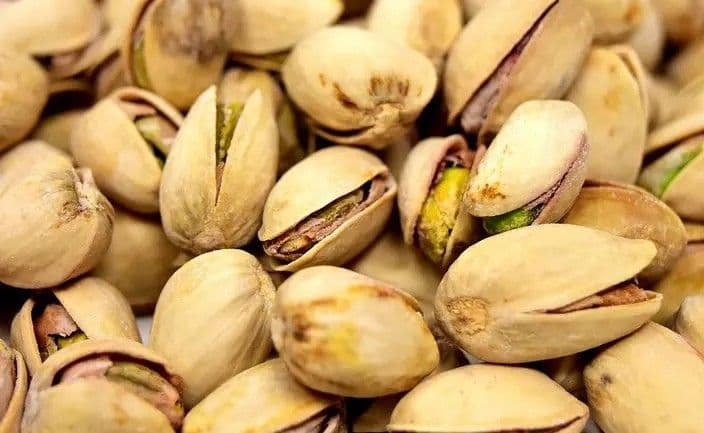
Pistachio is recognized as a suitable medium for the growth of multiple mold species, and aflatoxins are also known as a group of the most toxic and carcinogenic compounds.
Aflatoxins are important due to various biochemical effects (impacting energy metabolism, carbohydrate and fat metabolism, and the synthesis of protein and nucleic acid) and biological effects (carcinogenicity, mutagenicity, causing kidney and liver toxicity, and immunosuppressive effects).
Aflatoxin is a mutagenic compound and weakens the body's immune system. This toxin also causes acute and chronic poisoning in warm-blooded organisms. The potential risks of contamination of agricultural and horticultural products such as corn and pistachios with aflatoxin have raised concerns about public health in various countries around the world.
The contamination of pistachio fruits with fungi that produce this toxin begins in the orchards and after harvesting, during the washing of pistachios for grading, the level of contamination increases significantly.
Eliminating aflatoxin contamination in the post-harvest stage has so far been carried out using various physical, chemical, or biological methods, including the physical or chemical inactivation of aflatoxins. Programs to prevent aflatoxin contamination in pistachios should be applied at various stages, including harvesting, post-harvest, drying, post-drying storage, processing, warehousing, transportation, and sale. Nevertheless, preventing contamination before harvest, such as controlling insects during the growing period, avoiding the cultivation of early-splitting or early-blooming varieties, and using breeding methods, is probably the best and most common control strategy. It is considered aflatoxin.
In Iran, early-splitting pistachios are recognized as the main factor of aflatoxin contamination. In California, aflatoxin has been reported in pistachios that are harvested late, while in pistachios that are harvested on time and whose outer shell does not have cracking, no aflatoxin contamination is found.
Based on available sources, in California, the formation of cracks in the outer shell of pistachio fruit after the ripening stage is not prevalent, and this is due to the climate conditions, pistachio variety, and orchard management methods. However, in Iran, the occurrence of multiple cracks in the outer shell of the fruit and consequently splitting and tearing of the soft shell after the fruit ripening stage is very common.
Therefore, the best and most effective method for producing healthy pistachio products free from any contamination is to observe technical principles and hygiene recommendations at all stages of production.
Factors such as the phenomenon of pistachio early splitting, storing soft pistachio shells in the orchards, branches of pistachio trees being in the irrigation water along with the product, harvesting factors including mixing fallen pistachios on the ground with healthy pistachios, transportation and post-harvest operations, possible delays in shelling and processing pistachios, not observing important pistachio processing and storage points, all contribute to aflatoxin production.
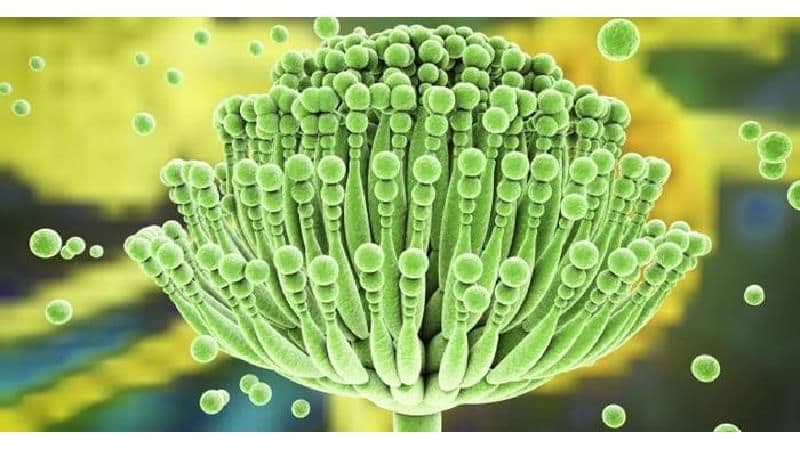
Ways of aflatoxin production in pistachios
The abundance of aflatoxin-producing fungal spores in the environment and the availability of suitable conditions for its growth and development, namely food, temperature, and humidity, created the possibility for contamination to spread to all stages: harvesting, processing, and storage of pistachios.
Factors affecting the formation of early-splitting pistachios
- Irrigation
- Soil type
- Nutrition
- Weather conditions
- Variety type
The Taj-Abadi and Ebrahim-Abadi varieties have the highest percentage of early-splitting pistachios, but in all commercial varieties in Iran, including Ohadi, Kaleh Ghoochi, Ahmad Aghaei, and Akbari, less than one percent of pistachios are early-splitting.
Ways to Prevent and Avoid Aflatoxin
The best way to prevent it is to avoid eating foods contaminated with this toxin. Pistachios can become contaminated with aflatoxin, so one should avoid eating pistachios that taste bitter or are very moist. Additionally, the pistachio kernel is more likely to be contaminated than the pistachio with its shell. Not using products suspected of aflatoxin contamination can help prevent the risks caused by this toxin.
Early splitting, body rupture, and damage caused by birds and insects expose pistachios to contamination. To prevent mold contamination, aflatoxin production, and to produce types of pistachios that are more resistant to aflatoxin, extensive research is required.
Preventing the growth of fungi and the production of aflatoxin is very important and requires proper training for farmers, companies, warehouse workers, traders, and the transportation sector.
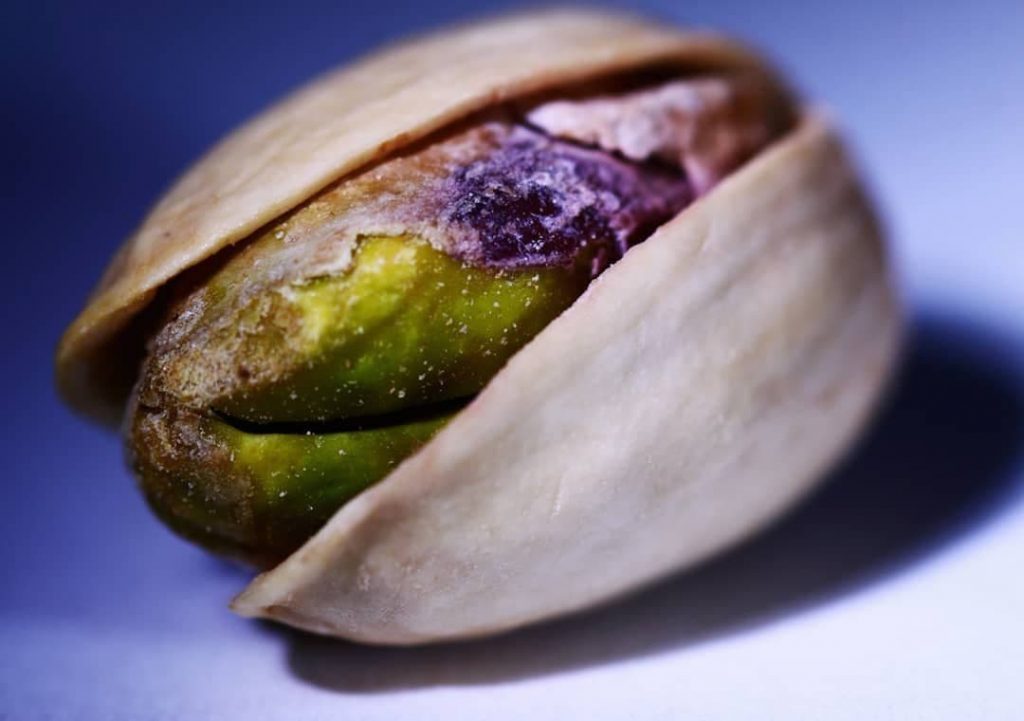
Use of heat
Roasting pistachios is effective in reducing aflatoxin levels. For example, roasting pistachios at temperatures of 90, 120, and 150 degrees Celsius for 30, 60, and 120 minutes reduces aflatoxin levels by 17 to 63 percent; however, in this state, the pistachios are no longer edible. Roasting in the normal way for a shorter time and at a lower temperature does not have a significant effect on reducing aflatoxin.
Using thermal dryers, sunlight, and storage dryers can also be effective in reducing aflatoxin.
Separating spotted pistachios from stored pistachio samples
Most spotted pistachios and those with bird beak marks have a very high level of aflatoxin and should be separated from the pistachio shipment before being bagged and stored in the warehouse.
What B2B buyers should verify
Before ordering, align on specification, ingredients, packaging, minimum order quantity, shelf life, sample availability and required documentation. ARANIK can clarify these points according to the product and destination market.
Talk to ARANIK
For specifications, packaging options, samples and commercial inquiries, view our pistachio kernels or contact us. Phone: +971507457971.