ARANIK
Selecting and Storing Pistachios
ARANIK guide to Selecting and Storing Pistachios: quality, applications, sourcing and practical considerations for B2B buyers.
This ARANIK guide reframes “Selecting and Storing Pistachios” for practical use, with emphasis on product quality, applications, sourcing and the points that matter to importers, food manufacturers and B2B buyers.
Pistachio is an ancient nut. Humans have been enjoying eating pistachios for about 9,000 years. It is the only nut mentioned in the Bible alongside almonds. Interestingly, pistachios are botanically close to mangoes and cashews. Therefore, if you are allergic to one of these, you may also be allergic to the others. Because of its unique appearance, in Iran, which is one of the largest producers in the world, it is known as "smiling," and in China as "happy." "Smiling" and "happy" may also describe how we feel when eating pistachios!
Selecting pistachios
Pistachios are sold either with shell or without shell. If you love the taste of pistachios but hate cracking them open, shelled pistachios are the best possible choice – but their price is roughly twice that of pistachios with shell. (And you will likely eat more of them, as studies have shown that the process of shelling pistachios slows down eating.)
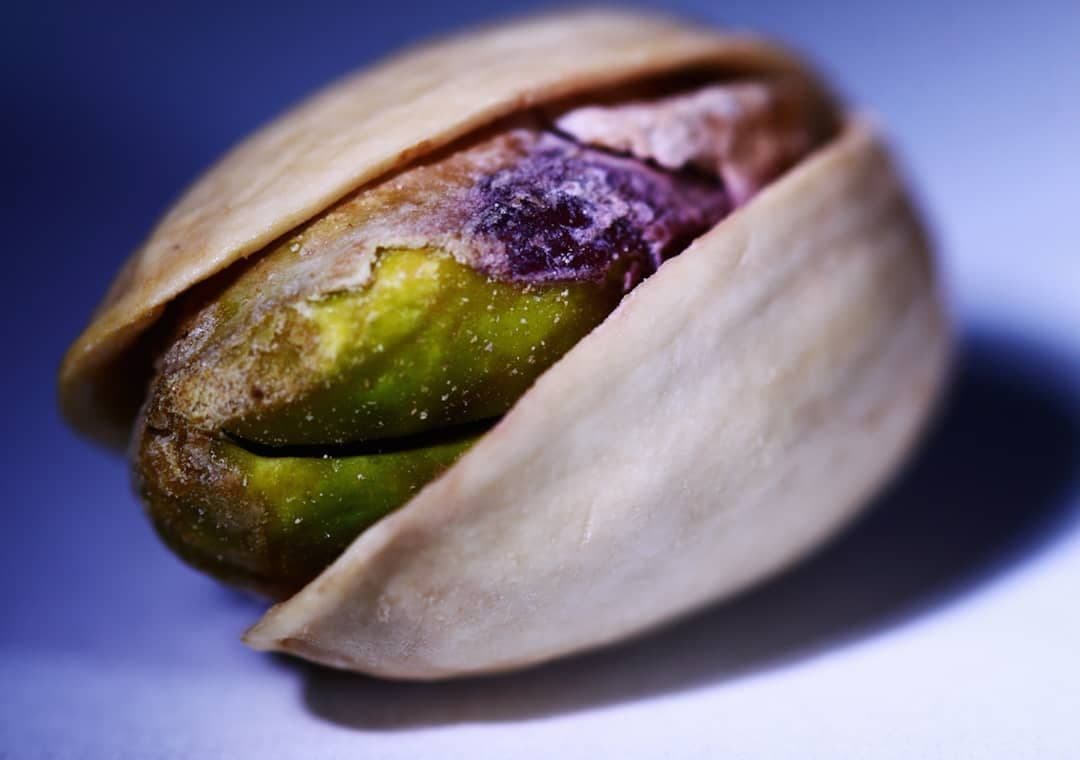
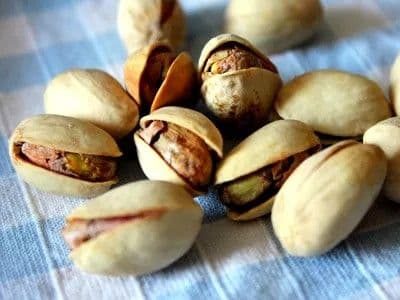
If you plan to buy pistachios with shells, look for pistachios with ivory-colored shells and no spots. Avoid pistachios with unnatural cracks and choose ones with natural splits – the split on a pistachio indicates ripeness. The color of the pistachio kernel should also be in the range from yellow to dark green. The greener the pistachio kernel, the better its taste.
Pistachios, with or without shells, are available throughout the year in different forms: raw, roasted, salted, unsalted, and spiced. It is better to avoid colored pistachios (green or red); the coloring of these types of pistachios is meant to cover blemishes on their shells. (Fortunately, almost all pistachios sold are uncolored)
Storing pistachios
Since the split appears on the pistachio when it ripens and reveals its kernel, pistachios have a limited shelf life. If you only need to store them for a few days, put them in a closed bag and keep them in a cool, dry place. For longer storage, place them in an airtight container and store it in the refrigerator or freezer. Pistachio kernels last up to three months in the refrigerator and up to one year in the freezer. Pistachios in their shells can also be stored for up to three months in the refrigerator, but putting them in the freezer is not a good idea.
To restore the crispiness of pistachios that have softened, place them in the oven at about 95 degrees Celsius for 10 to 15 minutes until they become roasted. Besides being eaten on their own, pistachios are a delicious ingredient in many sweet or savory recipes. Depending on the type of pistachios purchased (with shell or shelled), the weights and measurements in these recipes will vary.
Read more:
- How to roast pistachios in the Mazeh workshop
- The difference between Iranian and American pistachios
What B2B buyers should verify
Before ordering, align on specification, ingredients, packaging, minimum order quantity, shelf life, sample availability and required documentation. ARANIK can clarify these points according to the product and destination market.
Talk to ARANIK
For specifications, packaging options, samples and commercial inquiries, view our pistachio kernels or contact us. Phone: +971507457971.