ARANIK
Pistachio varieties
ARANIK guide to Pistachio varieties: quality, applications, sourcing and practical considerations for B2B buyers.
This ARANIK guide reframes “Pistachio varieties” for practical use, with emphasis on product quality, applications, sourcing and the points that matter to importers, food manufacturers and B2B buyers.
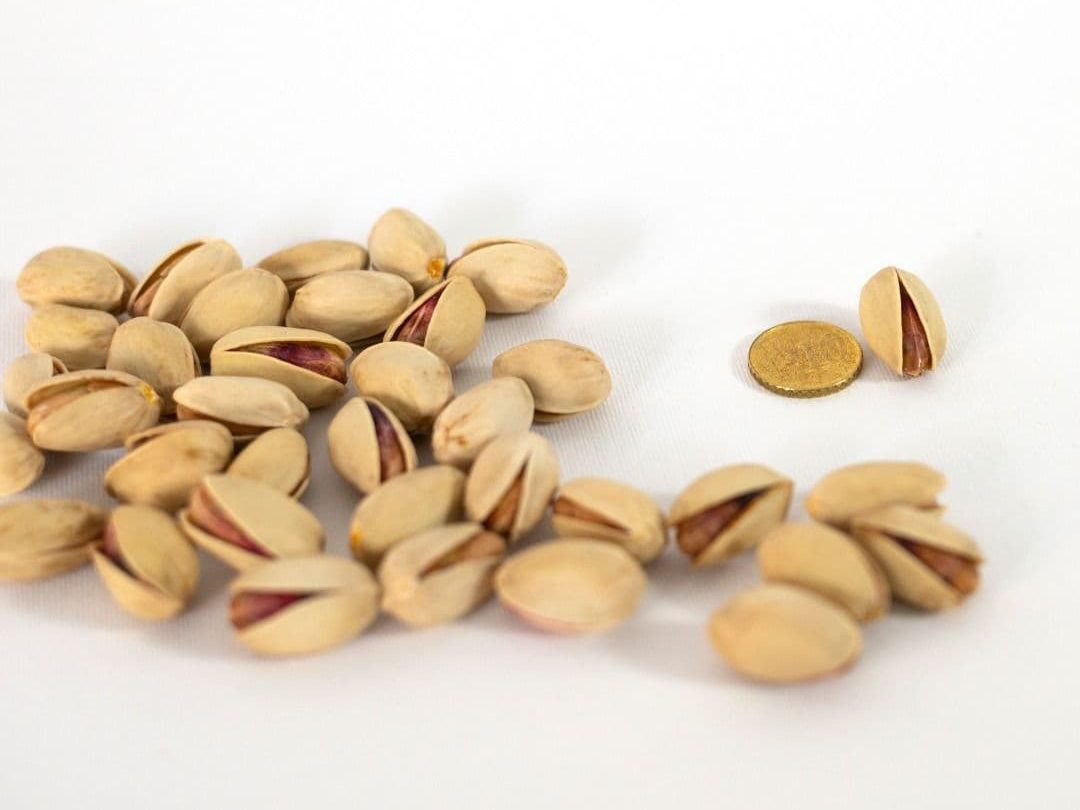
In general, pistachios are divided into two categories: elongated and round; which are known as Ahmed Aghaei, Kale Qouchi, Fandgi, Akbari, etc. Some of them are widely and commercially cultivated and some are scattered and limited. It should be noted that different varieties of pistachio, in addition to the difference in the shape of the fruit, have trees with different needs, which makes even the trees that have suitable fruit not commercial because of their special needs. Below are the different varieties of pistachios that are widely and commercially planted:
Hazelnut variety (Ohadi)
Ohadi pistachio is one of the most common commercial pistachio cultivars in Iran, which was identified by Mehdi Ohadi in the village of Fatehabad, Rafsanjan, between 1320 and 1330. It is a very famous and compatible variety for most of the pistachio growing areas, which has expanded a lot during the last 50 years. About 60-70% of the pistachio farms in Rafsanjan are occupied by this figure. This variety has hazelnut-shaped and spherical fruits.
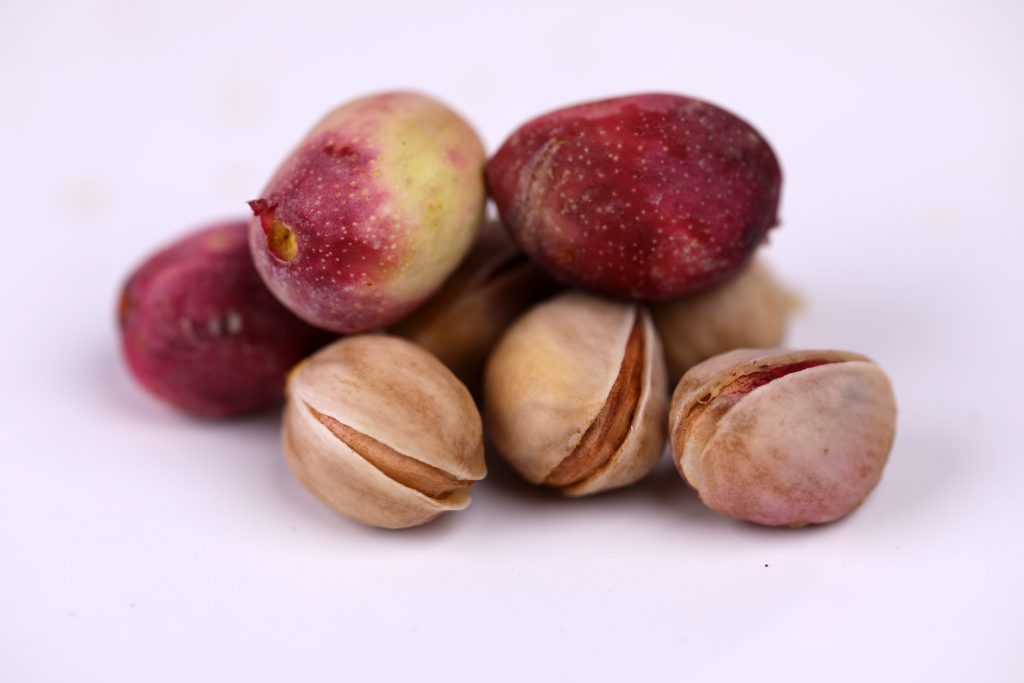
Hazelnut pistachio, which is one of the round varieties of pistachio.
Almond cultivar
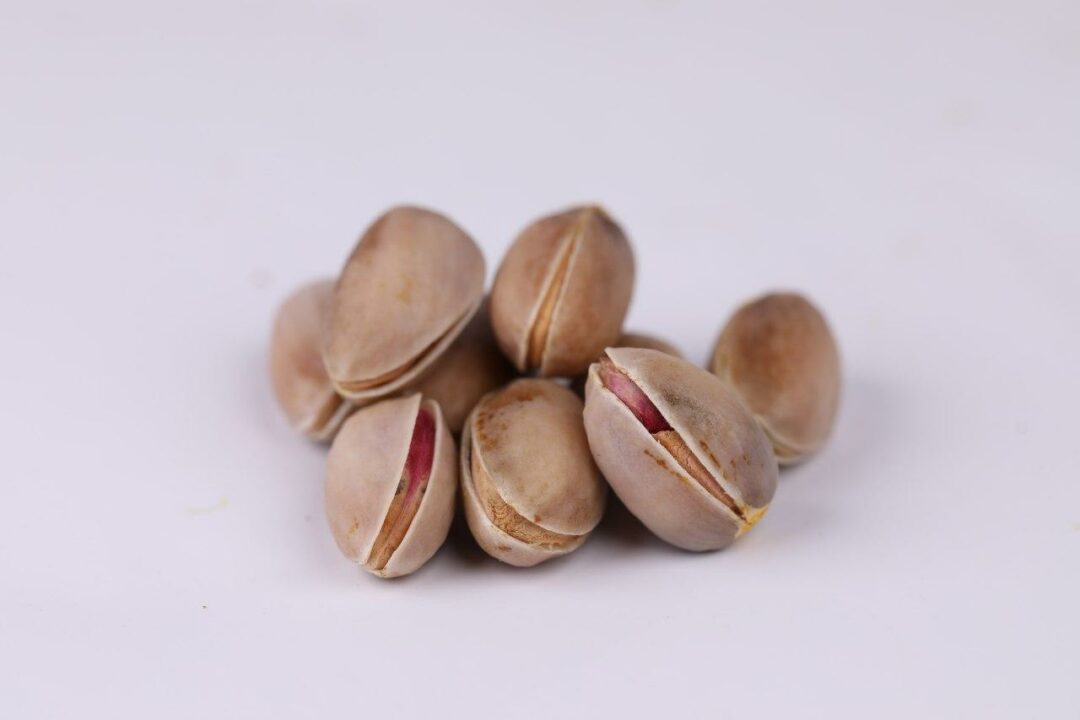
Among the types of pistachios, almond pistachios can be mentioned. The almond pistachio tree is bigger than the hazelnut pistachio tree and this pistachio is elongated. The size of the almond pistachio is almost the same as the hazelnut pistachio, with the difference that the hazelnut pistachio is round and its skin is redder than the almond pistachio.
Mr. Ahmed's number
Ahmad Agha'i pistachio was identified and selected for the first time by a person named Ahmad Agha Froutan in Ahmadiyya Nouq. In Kerman province, this variety has spread more in the areas of Noug Rafsanjan and Sirjan city. Currently, this figure is one of the most important commercial figures of the country, which, despite its not so long history, is expanding significantly. Its fruit is almond-shaped and is derived from the almond pistachio. The red color of the brain, the whiteness of the bony skin and the large size of the fruit have caused its spread.
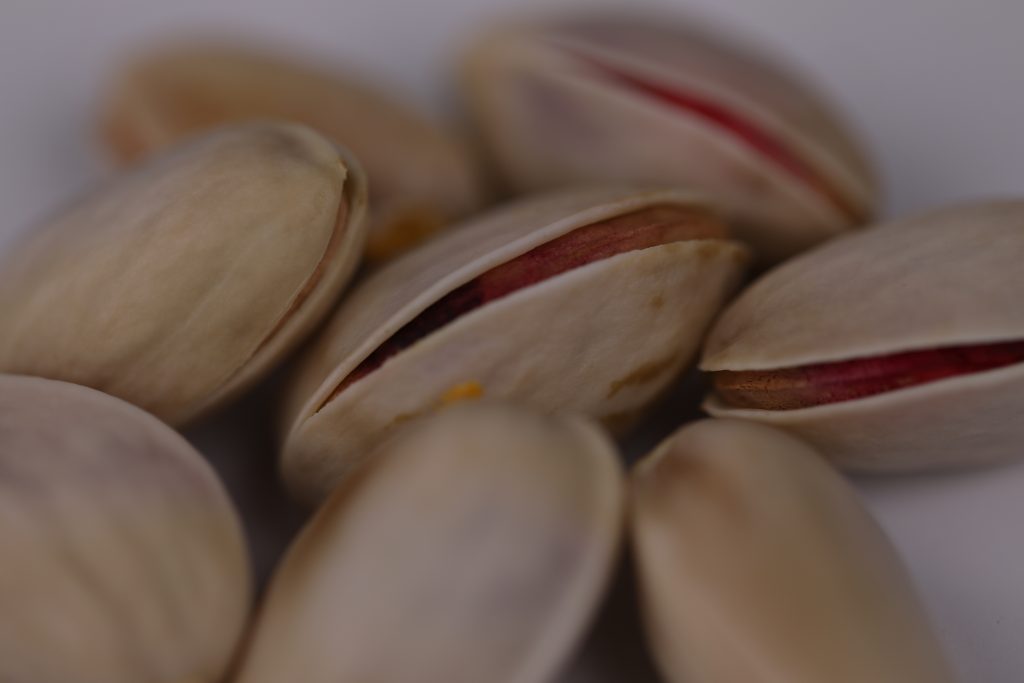
Ahmad Aghaei pistachio and its distinguishing red color
Akbari number
The most important type of pistachio is Akbari pistachio, which is known as super long pistachio in the world market due to its long, elongated and large kernel. This pistachio is one of the most important varieties of pistachio in the field of trade, and Iran is the only major producer of this type of pistachio, and it is mostly harvested in Rafsanjan and Anar cities. The founder of this type of pistachio was the late Akbar Tajabadi, and this pistachio was named Akbari pistachio after him. This cultivar is also known as Abdullahi and has an almond-shaped, elongated and large fruit.
Kale Gouchi variety
This cultivar is one of the commercial cultivars of Iran's pistachio, which was identified for the first time by a person named Haj Ali Sharifi in the village of Dehno Rafsanjan, and for this reason, it is also known as Haj Sharifi's pistachio. Its main cultivation areas are Kerman province and it is scattered in other provinces of the country.
Botany and nature of pistachio trees
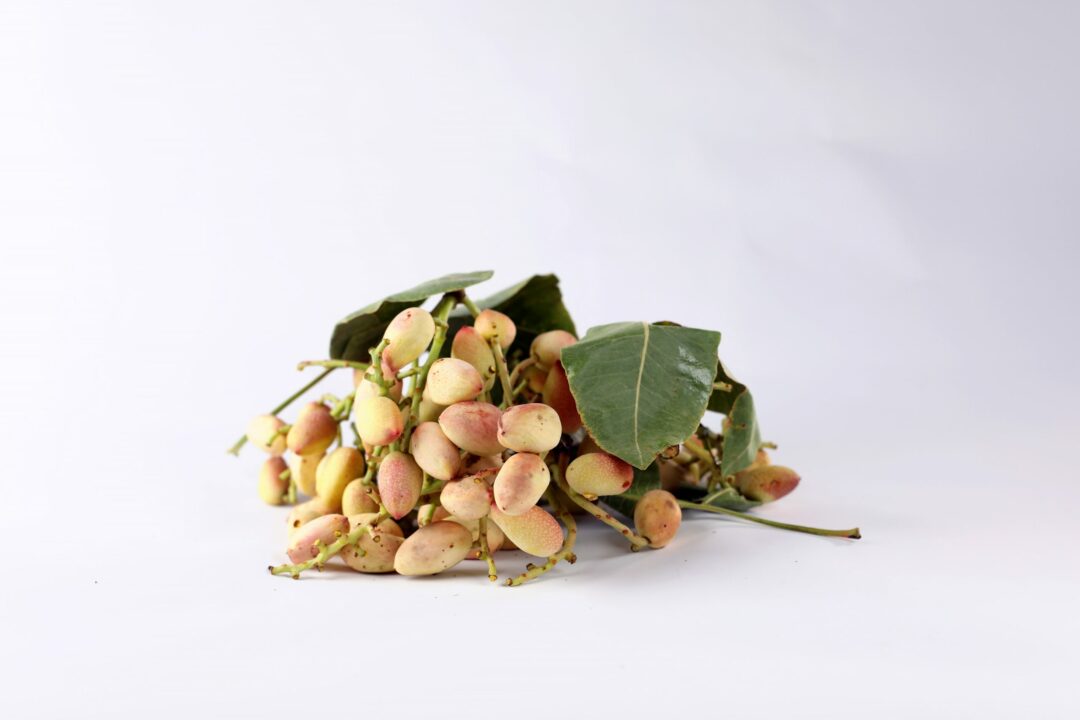
Among the different types of pistachio trees, the only fruit of the common pistachio tree is a tasty and famous edible nut. The pistachio tree, unlike Iranian almond and walnut trees, is a bipedal tree. This means that male flowers and female flowers are located on two separate trees, called the male tree and the female tree. The male tree does not bear fruit and only the female tree bears fruit and the pistachio product is its fruit. Iranians have long recognized the nature and adaptability of plants and identified the suitable areas for planting each one. The adaptations of domesticated pistachio trees to the climatic conditions of the old pistachio growing regions of Iran and other regions of the world have been achieved in a long historical period under human care. The pistachio tree has a strange nature and its life is very long. But so far, the natural life of this tree has not been determined with certainty. The pistachio tree has a place in the world of plants and domesticated trees like a camel among animals, because the pistachio tree also bears a unique fruit by resisting harsh conditions such as drought, heat, scorching and cold air, water salinity, etc., a smiling fruit that is the result of its resistance. The current Iranian pistachio has been transferred from its original cradle and bed in Khorasan to the slopes and plains in a historical continuity and has been domesticated after planting and care. After that, based on repeated human experiences, it reached the dry desert and semi-desert areas of Iran until it finally found its proper secondary (domesticated) nature position with human suffering and experiences. Therefore, Iranian pistachio cultivars are like gold and diamonds because they tolerate the hot and bright sun of summer and the burning and cold of winter in the semi-saline lands on the edges of the deserts, but they did not reach these adaptations easily. The high quality and interesting variety of Iranian pistachios is the result of the bitterness and suffering of Iranian gardeners over many years.
What B2B buyers should verify
Before ordering, align on specification, ingredients, packaging, minimum order quantity, shelf life, sample availability and required documentation. ARANIK can clarify these points according to the product and destination market.
Talk to ARANIK
For specifications, packaging options, samples and commercial inquiries, view our pistachio kernels or contact us. Phone: +971507457971.