ARANIK
Four Reasons for the High Price of Pistachios
ARANIK guide to Four Reasons for the High Price of Pistachios: quality, applications, sourcing and practical considerations for B2B buyers.
This ARANIK guide reframes “Four Reasons for the High Price of Pistachios” for practical use, with emphasis on product quality, applications, sourcing and the points that matter to importers, food manufacturers and B2B buyers.
Few people can be found who do not like pistachios – this tasty and colorful nut is consumed on its own or in desserts, salads, and even some types of pasta. The ways to enjoy this endless snack are numerous. But one thing about pistachios is not enjoyable: can you guess?
Answer: its price! Pistachios are among the ten most expensive nuts in the world. Macadamia (Australian hazelnut) ranks first at $25 per half kilogram, with almonds and pine nuts ranking second and third. Pistachios are also a member of this list, and in this post, we will take a look at the reasons for that:
A Basic Look at Pistachios
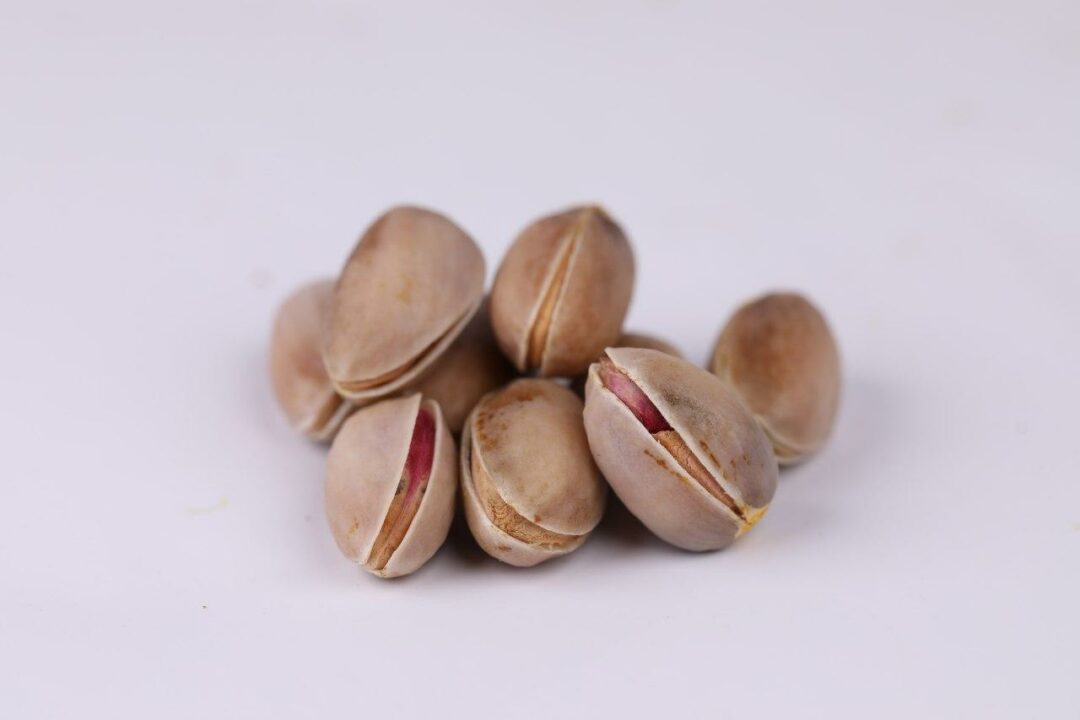
Scientifically, pistachio is not a member of the nut category, but it is a seed that has been consumed as a delicious snack for thousands of years. The pistachio tree was first found in Western Asia and has been cultivated since around 7000 BC.
Thousands of years later, in the 19th century, pistachios made their way to the United States of America.
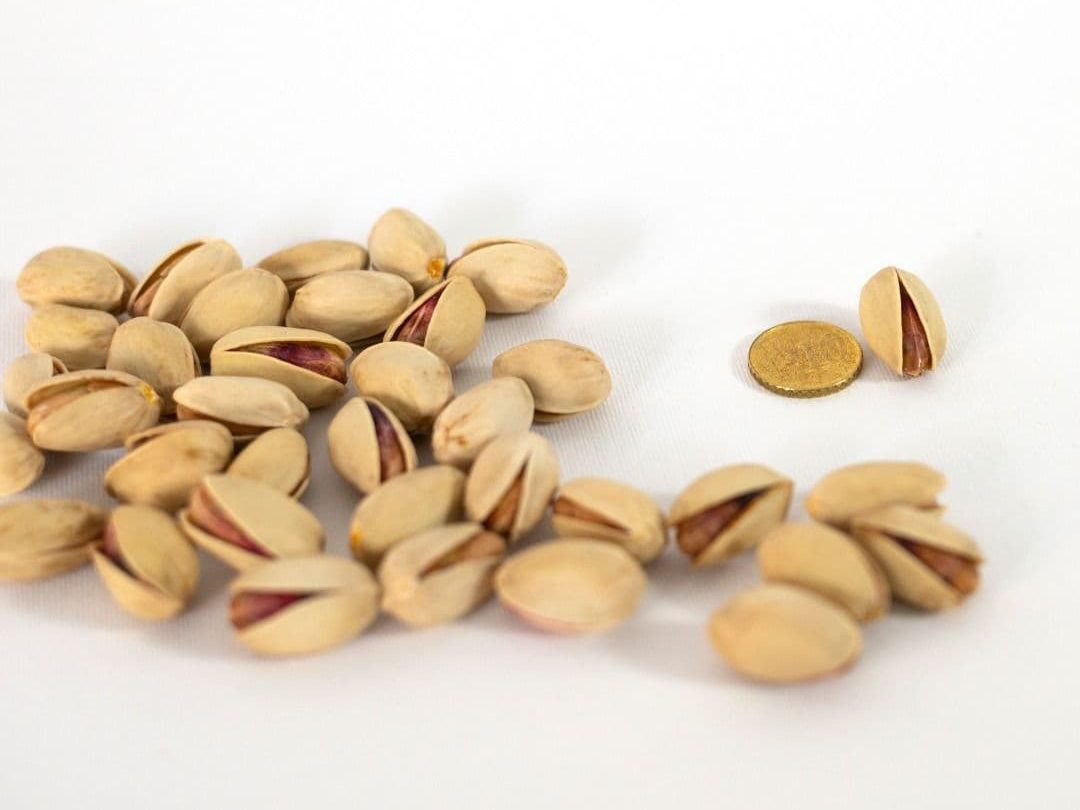
Today, pistachio planting and harvesting is carried out in parts of the states of California, Arizona, and New Mexico. These small, tasty seeds appear in a color range between green and yellow, and they usually have a purple surface on them as well.
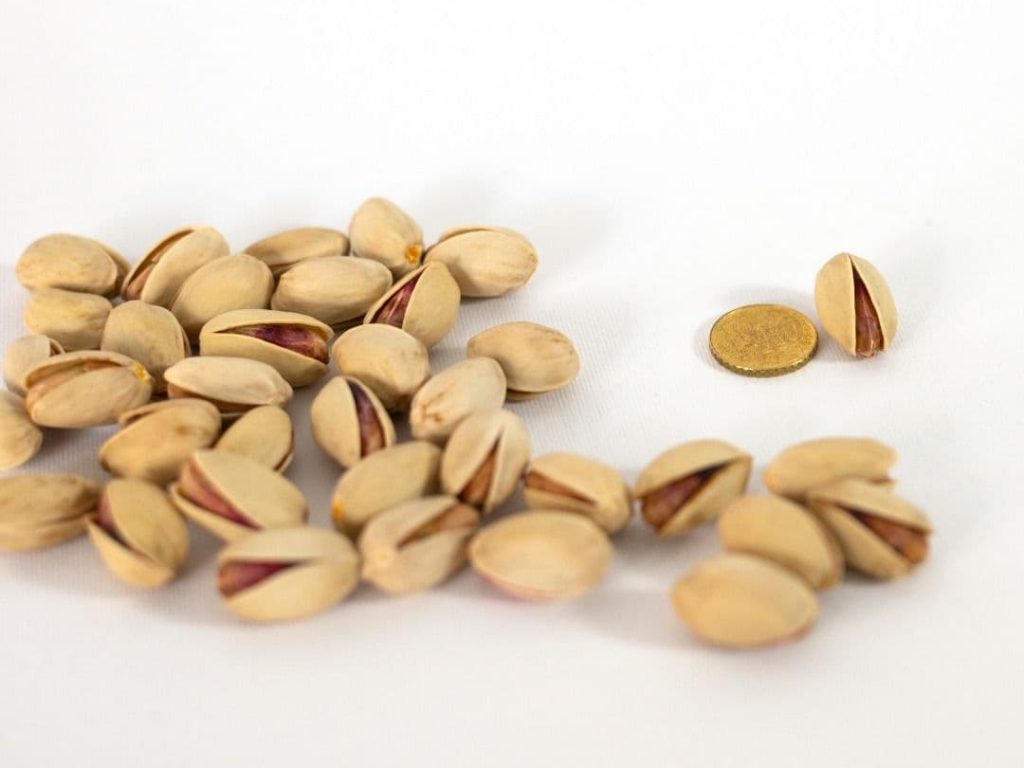
The main reasons for the high price of pistachios
Cultivating and farming pistachios is very challenging, and it is not surprising that the price of pistachios is so high. Now we will list four main reasons for the high price of pistachios:
Pistachio growth requires special climatic conditions
The first reason for the high value of pistachios is the specific climatic conditions needed for growing pistachios.
Although the pistachio tree itself is not a sensitive tree and can be planted in soil of average quality, there are specific climatic conditions required for its growth.
Firstly, pistachio trees require high drainage, which means they must be planted on sloped land or porous soil, not in compact, wet soil.
Secondly, the pistachio tree grows quickly in cool weather. The ideal temperature for growing pistachios is below 7 degrees Celsius, and each pistachio tree must spend at least one thousand hours at this temperature.
Thirdly, pistachio trees love cold winters just as much as they love hot summers. For pistachios to fully ripen, the pistachio tree requires sufficient time in low humidity and intense sunlight.
As you can see, these climate conditions are very specific, and for this reason, pistachios can only be cultivated in certain parts of the world.
California is the largest producer of pistachios in the world, and Iran ranks second. Syria, China, and Turkey are also pistachio producers. These lands in the U.S. share space with other nut trees, which is why they are very valuable.
Pistachio trees require a long time to bear fruit.
It takes about 5 years from planting for a pistachio tree to bear fruit, and it requires an additional 15 to 20 years to reach maximum fruit production.
Delicious pistachios are also always taken from female trees, from which about 20 kilograms of pistachios are harvested each season. Male trees make up only 15 percent (or less) of the total number of trees in an orchard. Male trees are planted for pollination, not for yielding produce.
Like any other crop, pistachio production is entirely dependent on weather conditions. If conditions are not ideal, the blooming of the trees will be very difficult, and it may be that we get no yield at harvest time.
Also, female trees need two years between each harvest to gather sufficient nutrients and be able to produce.
Overall, pistachios are a very time-consuming product, and farmers cannot afford a year without harvest or a harvest lower than the previous year; for this reason, the price goes up.
Growing pistachios requires skilled workers.
In the United States, pistachios are harvested and processed by machines, but operating these machines requires skilled workers. In addition, pistachios are hand-picked during packaging to ensure the quality of the product, and this final part of pistachio production is time-consuming and costly. Meanwhile, in Iran, pistachios are harvested by hand.
The demand for pistachios is very high.
Ultimately, the last reason for the high price of pistachios is its high demand. Alongside almonds and cashews, pistachios are used the most in cooking and baking and are used in salads, various desserts, cakes, ice creams, and more.
Pistachios are also very nutritious, making them a popular choice among people seeking healthy nutrition. The number of people who do not like pistachios is very small.
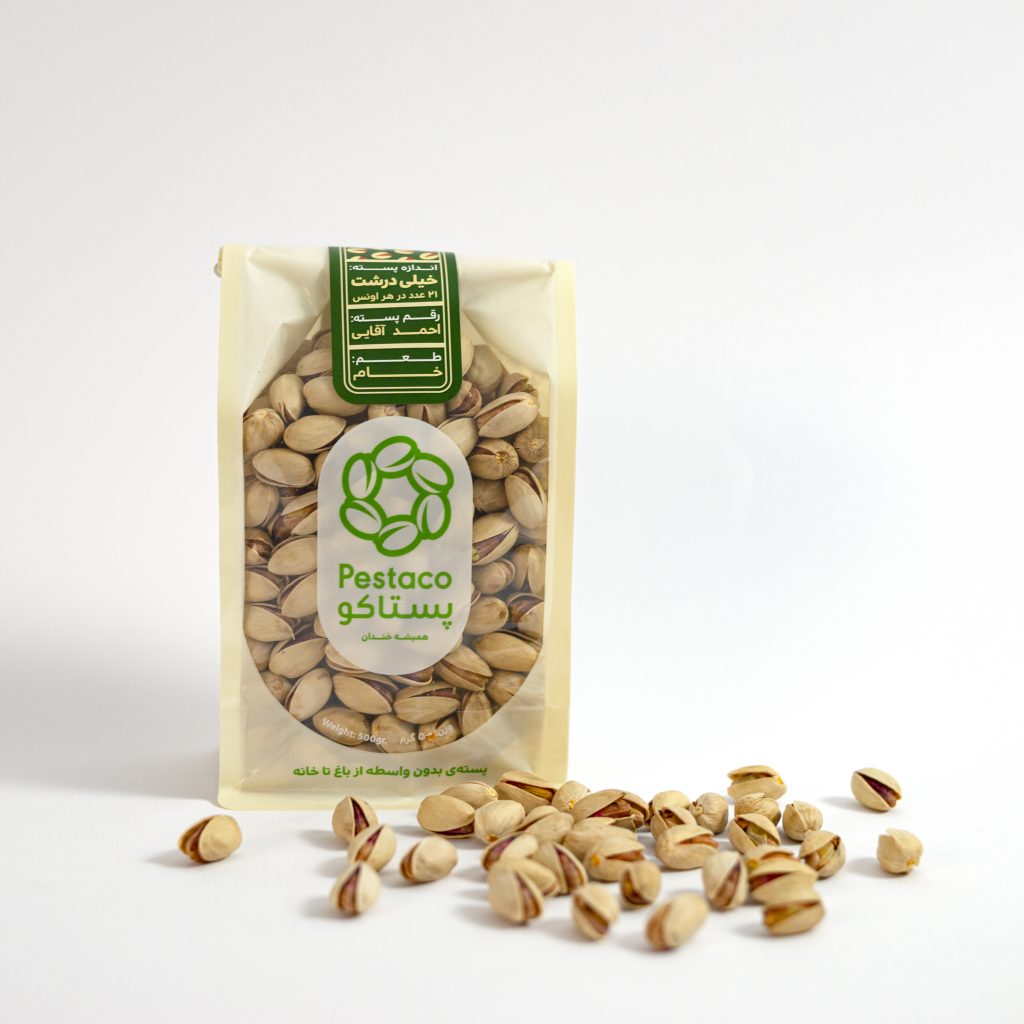
To buy high-quality pistachios, go to the Aranik store section.
Final word
Pistachios are one of the most nutritious and delicious nuts in the world. Their yellow and green kernels come in many varieties and have many uses. However, planting and harvesting pistachios is a special and time-consuming process, requiring a high labor force, and as a result, they are expensive.
Translation from: foodiosity.com
Read more:
- Helicopter protection of pistachios in Sicily, Italy
- What did Corona do to the pistachio industry?
- Benefits of pistachios for the elderly
What B2B buyers should verify
Before ordering, align on specification, ingredients, packaging, minimum order quantity, shelf life, sample availability and required documentation. ARANIK can clarify these points according to the product and destination market.
Talk to ARANIK
For specifications, packaging options, samples and commercial inquiries, view our pistachio kernels or contact us. Phone: +971507457971.