ARANIK
How to tell if pistachios are spoiling?
ARANIK guide to How to tell if pistachios are spoiling?: quality, applications, sourcing and practical considerations for B2B buyers.
This ARANIK guide reframes “How to tell if pistachios are spoiling?” for practical use, with emphasis on product quality, applications, sourcing and the points that matter to importers, food manufacturers and B2B buyers.
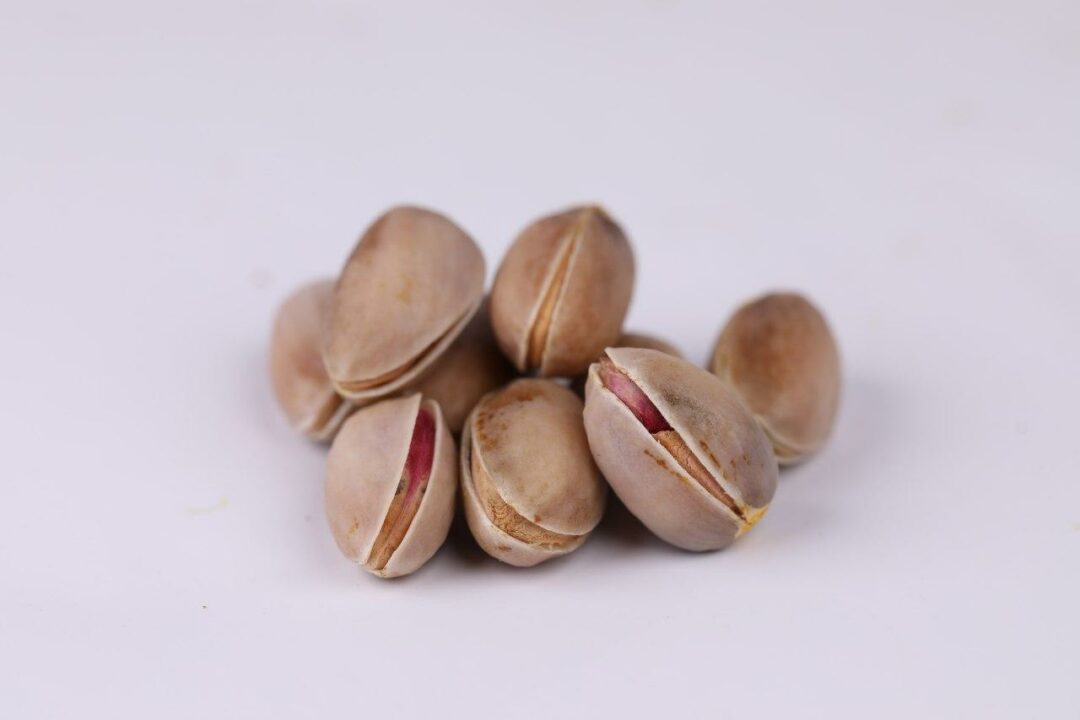
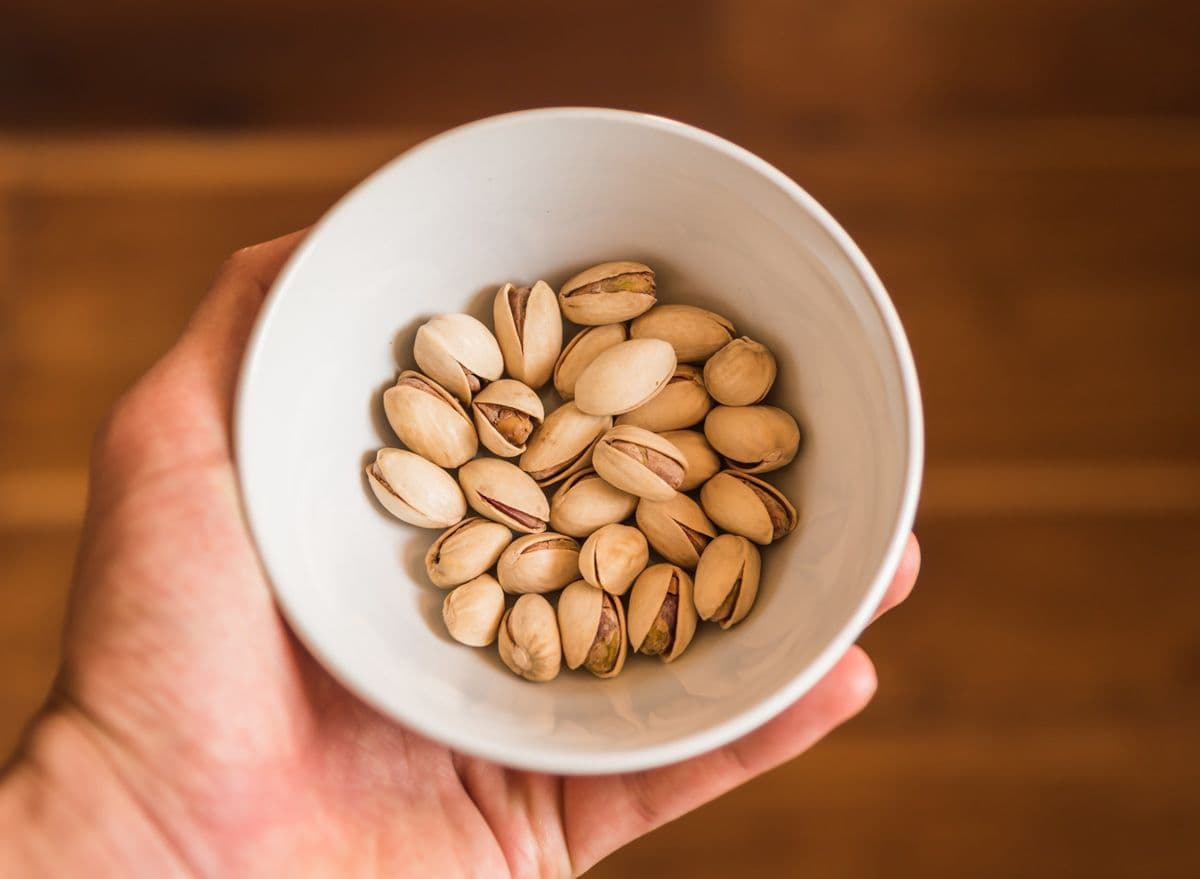
A little-known fact about pistachios is that in China, these nuts are often referred to as "happy nuts." The reason is that while the pistachio is in its shell and slightly cracked, it seems to smile. For this reason, pistachio nuts are often given as gifts during Chinese New Year. It is believed that these nuts are a symbol of happiness, health and happiness.
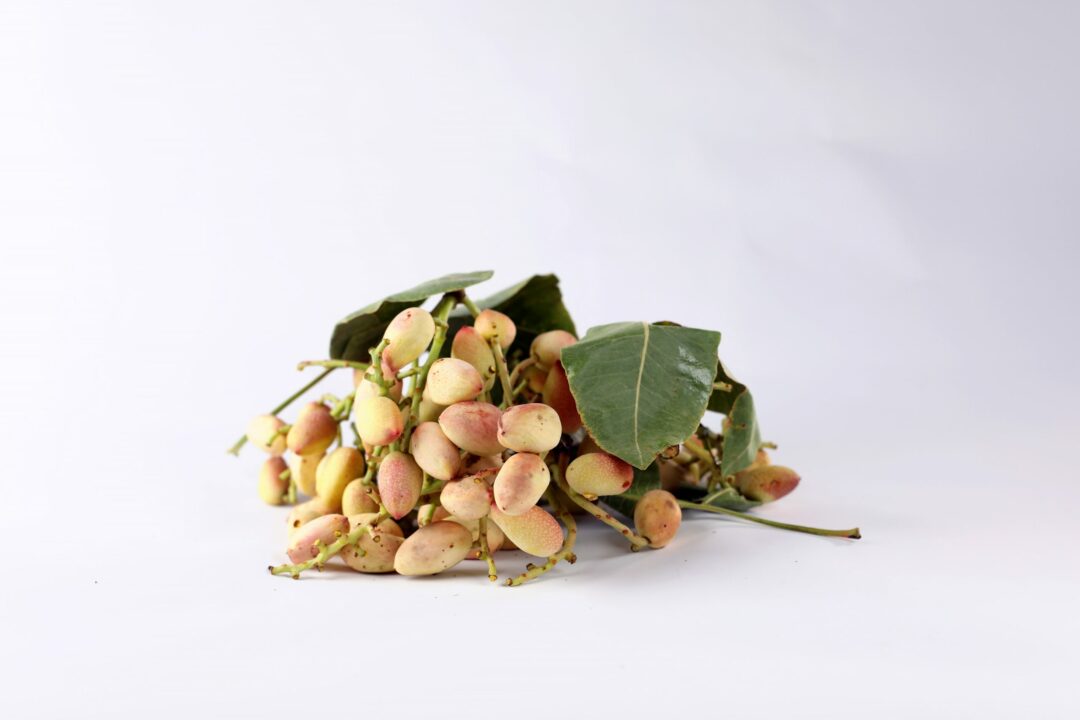
Pistachios grow in clusters, somewhat like grapes, and are surrounded by a fleshy outer membrane, and are actually related to the mango family. As the pistachio ripens, the pistachio kernel grows inside the outer membrane until the shell splits open to reveal the kernel inside.
But before we reveal more interesting facts about smiling nuts, let's talk about some basic facts about these green nuts.
How do you know that pistachios are of bad quality?
Like other nuts, pistachios are prone to spoilage if not stored properly.
Of course, there are several methods that you can use to detect pistachio spoilage. The most important thing is to smell the pistachios. Rotten or stale pistachios usually smell bad, similar to the smell of paint or, as some say, nail polish remover.
A close look at the pistachio can also give a clue that it is bad. Watch out for any mold on the pistachios. This leads to the creation of powder coatings on the pistachio nuts.
Also note the dried state of the nuts when they appear dehydrated. In this case, it seems that most of the nutritious meat is gone and only the extra skin is left.
It goes without saying that the presence of any kind of insect in the package, as well as the strange color of the pistachio, should be a sign that the nuts are spoiled.
How long is the shelf life of pistachio nuts?
The shelf life of pistachio nuts, like many other nuts, depends a lot on how they are stored.
First, a dry and cool place is the most ideal place to store pistachios.
If you're keen to maximize the shelf life of your pistachios after opening, it's recommended to store them in a tightly sealed container away from air flow. Properly stored pistachios will last about one to two weeks at normal room temperature.
If you want to increase the shelf life of your pistachios, storing them in the refrigerator is a good idea. This makes the pistachio nuts stay healthy and fresh for almost three months. You can also go a step further and freeze the pistachios. This method makes the nuts maintain their quality for about twelve months.
When freezing pistachios, it's best to do the freezing right after you get home from shopping, and not a few days after shopping.
How long does roasted pistachio last?
Roasted pistachios are available for purchase in shelled as well as shelled form. It is recommended to buy roasted pistachios with skin for longer shelf life.
It is also recommended to buy roasted pistachios in small quantities and store them in an airtight container or heavy plastic bag.
Roasted nuts will last about three to six months if stored in the right conditions.
You can also store your nuts in the refrigerator or freezer.
It's best to store your roasted pistachios in a glass container rather than a plastic container, as this will make the nuts stay fresh longer. Make sure pistachios are not exposed to heat during storage, as heat can affect the oils in the pistachios and act as a catalyst in making the nuts spoil more quickly.
To store roasted pistachios for up to six months, keeping them in the refrigerator will be a better option.
Nuts tend to be an odor-absorbing food, so it's best to keep them away from other high-smelling foods.
What does a spoiled pistachio look like?
In general, eating spoiled pistachios in small quantities will not cause illness immediately, but doing so is not recommended as it may lead to digestive problems or have more harmful effects on your body in the long run.
Some other distinct signs or symptoms that pistachios are spoiled:
Color change:
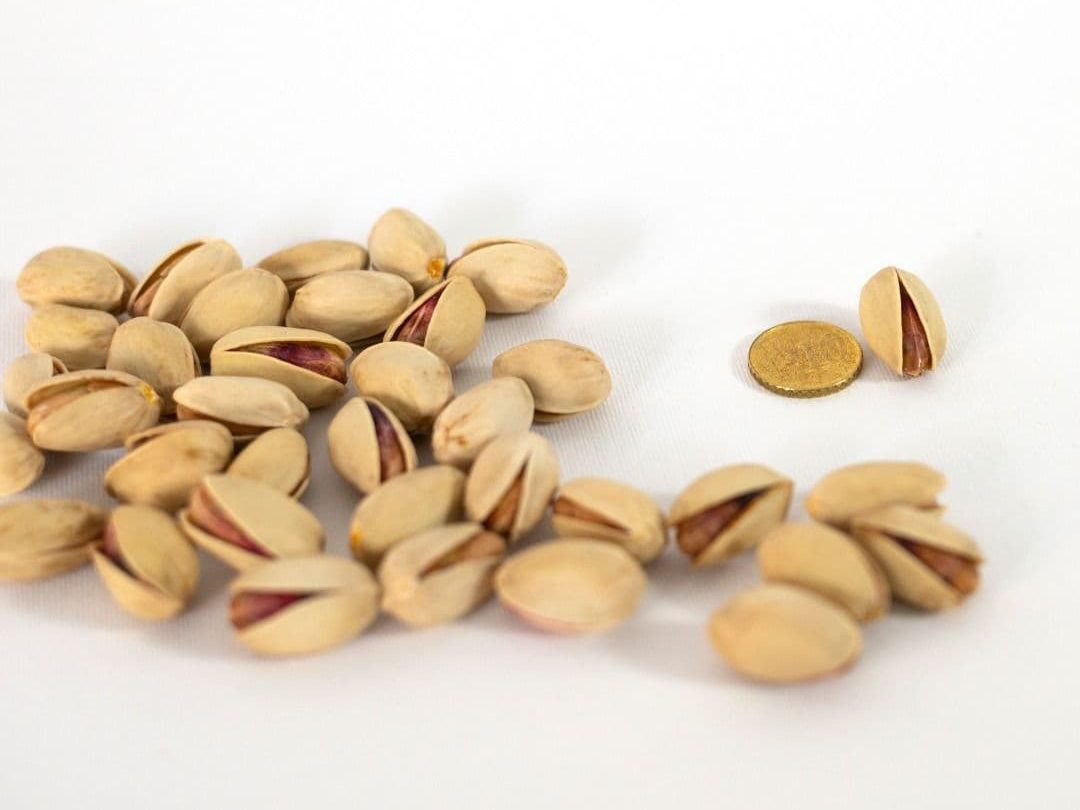
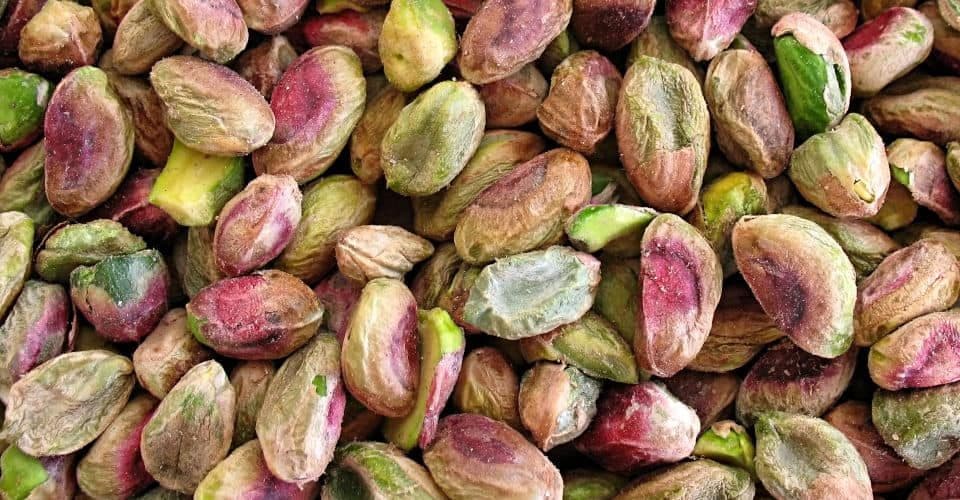
Fresh pistachios vary in color from reddish-yellow to green, if they look browner, they may be spoiled.
Dried meat and dried meat:
In this case, it is as if the outside of the pistachio is completely drained of water compared to the inside.
Mold on the surface of the kernels that creates a powdery layer on the kernels.
Insects or bugs in the package.
If you open the package or container and see insects inside, throw away the whole kernels.
What happens if you eat spoiled pistachios?
We all know that anything can spoil, even pistachios.
Spoiled pistachios aren't completely unsafe to eat (if they're eaten in small amounts, of course), but who wants to intentionally experience that unpleasant aftertaste?
Most nuts contain some type of fat that reacts when exposed to heat, light, and air. This breaks the bonds in the molecules and the remaining fatty acids cause the nuts to become loose.
If you eat spoiled pistachios, you will most likely not have any side effects other than an unpleasant taste in your mouth.
But in some cases, this can lead to irritation of the stomach and intestinal membranes, causing stomach upset.
You may also experience nausea, vomiting, or even diarrhea.
In some very rare cases, eating such nuts may cause worse symptoms to appear immediately. If your symptoms are severe, you should see a doctor immediately.
Are brown pistachios spoiled?
The pistachio fruit naturally has a hard outer shell that is brown in color. Its brain has light green flesh. As the fruit ripens, the skin changes from green to reddish-yellow.
Historically, when pistachio nuts were first imported into the United States from the Middle East, they were dyed to cover and hide the blemishes that appeared on the shell from outdated harvesting methods. To this day, pistachios are sometimes dyed red for marketing purposes, so you may occasionally come across red pistachios.
As soon as you see that the pistachios have started to change color towards dark brown, the spoilage process begins. At this stage, there is no serious risk in consuming nuts.
It is better to throw them away and get another package. This will save you from unpleasant taste and stomach upset.
Why are my pistachios soft?
Your pistachios are soft because they have probably been exposed to air and absorbed some moisture.
You can try drying them or putting them in the oven: put the nuts on a baking tray, put them in a hot oven, close the door and turn off the oven to let the nuts cook in the preheated oven. Five minutes should be enough for the nuts to start to brown a little. In this case, take them out of the oven and let them cool down.
If they are still not dry, leave them in place for another three minutes or so. Pistachios burn easily, so you need to be alert and watch them throughout the process.
Sometimes, pistachios feel a bit rubbery and soft while still warm, but the key is to let them cool first. After cooling, they should be completely crispy.
What B2B buyers should verify
Before ordering, align on specification, ingredients, packaging, minimum order quantity, shelf life, sample availability and required documentation. ARANIK can clarify these points according to the product and destination market.
Talk to ARANIK
For specifications, packaging options, samples and commercial inquiries, view our pistachio kernels or contact us. Phone: +971507457971.