ARANIK
Pistachio planting innovation and technology in America
ARANIK guide to Pistachio planting innovation and technology in America: quality, applications, sourcing and practical considerations for B2B buyers.
This ARANIK guide reframes “Pistachio planting innovation and technology in America” for practical use, with emphasis on product quality, applications, sourcing and the points that matter to importers, food manufacturers and B2B buyers.
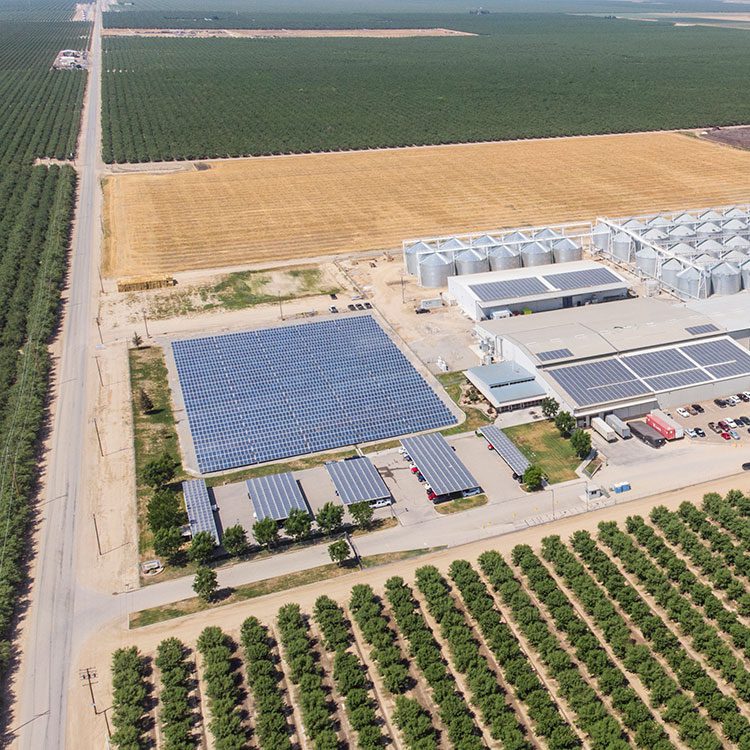
The pistachio industry in the United States is relatively new, with commercial production beginning in the 1970s. In America, they quickly use new technologies and methods, and this causes continuous progress in this field. American pistachio growers continuously invest in research and innovation to develop best practices in renewable energy and agricultural productivity. Manufacturers use solar energy to power irrigation pumps, processing equipment, electric vehicles, and the state grid. Harvesting technology, such as driverless tractors and agricultural machinery that use GPS and other wireless technologies, will further simplify operations and reduce dependence on fossil fuels. Drones also identify energy-draining problems in the garden that need quick fix. American pistachio farmers always try to invest and use new technologies because it makes their activities more sustainable.
Environmental protection and higher efficiency with regenerative methods
Pistachio farmers in America are working hard to develop a sustainable environment and preserve precious soil and water. The pistachio tree is a naturally hardy plant that originated in the Middle East, but careful use of water at certain times of its growth cycle is necessary to produce the perfect pistachio. The pistachio growers work closely with University of California researchers, irrigation specialists and agricultural consultants. Their goal is to use the most advanced water management technologies and irrigation programs in the world. Water used in pistachio orchards is often reused not only for plant productivity and tree nutrition, but also to support wildlife, diverse habitats, and lands adjacent to pistachio orchards.
Acres of land are used for compost, which returns nutrients to the soil to protect the soil that is expected to support the same gardens for generations to come. When you see plant growth between the rows of pistachio trees, know that it has a purpose and that is to loosen the soil for water to penetrate and at the same time reduce the solutes in the soil in order to spread beneficial soil bacteria. Also, every part of nuts is used. For example, discarded shells are used to pave rural garden roads, minimize dust and improve air quality. Other side products also have many uses, for example, they are used for biofuels and even cosmetics.
water consumption
The pistachio plant is native to dry climates, so it has adapted well to its new growing areas in Arizona, New Mexico, and California. Producers in the United States protect the soil by using water-saving methods and irrigation systems, and have made optimal water use their top priority. After enduring severe droughts, pistachio farmers have been forced to adapt and innovate.
A variety of tools and techniques make water-conserving production possible. For example, this is possible by using soil probes, tensiometers, and sensors that monitor water content, soil temperature, and evaporation and transpiration rates. The development of new apps has allowed growers to use their smart devices to monitor the movement of water in the soil to ensure that water gets to where it is needed at the roots and stays there. Today, breeders have a lot of data at their disposal. Weather information helps them design efficient irrigation programs. Also, satellite imaging helps them identify areas of the garden that may be deficient in water and nutrients or overused.
Today, micronutrient fertilizers are carefully metered through drip irrigation systems to ensure that they are applied at the times and places where trees need them most for optimal production. This very accurate measurement and application of nutrients is done through new drip systems called Fertigation.
Air force in the garden
Pistachio growers employ an "air force" of birds of prey to naturally protect orchards from rodents, coyotes and nut-eating birds that destroy crops. Placing nesting boxes in and around gardens is a desirable home for owls, peregrine falcons, and other predators that keep pests at bay. This solution is a modern solution that eliminates the use of rodenticides and traps. In fact, we can say that harmony with the environment is a way to succeed in agriculture.
Source:
American Pistachio Growers
What B2B buyers should verify
Before ordering, align on specification, ingredients, packaging, minimum order quantity, shelf life, sample availability and required documentation. ARANIK can clarify these points according to the product and destination market.
Talk to ARANIK
For specifications, packaging options, samples and commercial inquiries, view our pistachio kernels or contact us. Phone: +971507457971.